
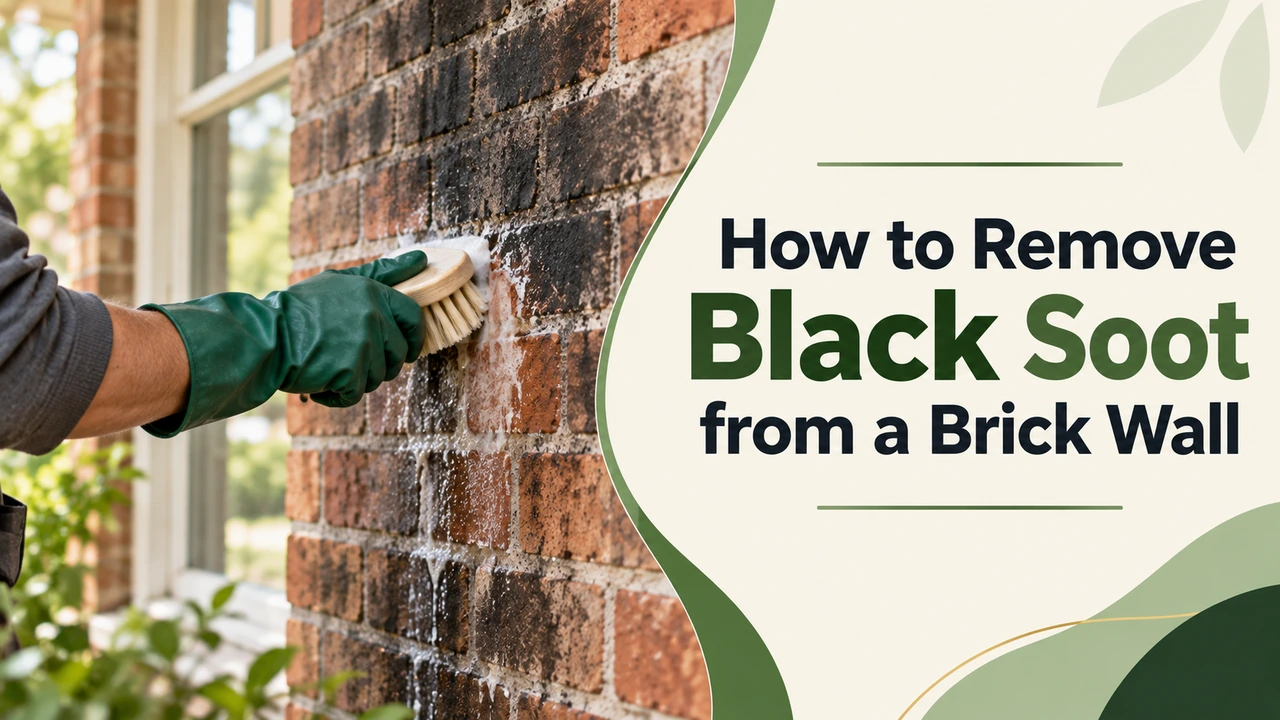
Black soot on brick is one of those things you notice all at once—one day your fireplace surround or exterior wall suddenly looks dull, dirty, and tired. The good news? You absolutely can restore that brick without ruining it…as long as you use the right method.
Understanding Soot Stains on Brick
Before you grab a scrub brush, it helps to know what you’re fighting.
What is soot and why does it cling to brick?
Soot is a fine black carbon residue produced by incomplete combustion of wood, gas, candles, or oil. It sticks especially well to brick because:
- Brick is porous, so soot particles settle into tiny holes.
- Any existing dust, grease, or smoke residue makes soot cling even more.
- Heat from fireplaces or stoves can “bake” the soot onto the surface.
That’s why just wiping with a wet cloth often spreads the stain instead of removing it.
Step 1: Prepare the Area Before Cleaning
A little prep will save you a lot of cleanup later.
Safety first
- Wear gloves to protect your skin.
- Use a dust mask if you’re dealing with heavy soot buildup.
- For indoor fireplaces, open windows or turn on ventilation.
Protect nearby surfaces
- Lay down drop cloths or old sheets to catch drips and debris.
- Cover nearby furniture, flooring, or rugs—especially around fireplaces.
- If cleaning exterior brick, move plants and outdoor décor away from the wall.
Step 2: Dry Clean the Brick (Never Skip This!)
When learning how to clean soot off brick, the biggest mistake people make is starting with water. Moisture can push soot deeper into the brick.
Use a dry brush or vacuum
- Use a stiff-bristle brush (not metal) to gently scrub the surface.
- Work from top to bottom so soot falls onto your drop cloth.
- You can also use a vacuum with a brush attachment to remove loose soot.
Try a dry cleaning sponge
A chemical sponge (also called a dry-cleaning or soot sponge) is designed to lift soot without smearing.
- Gently press and wipe across the brick.
- Don’t scrub too hard—let the sponge pick up the residue.
- When the sponge surface gets dirty, cut off the used layer and continue with a clean side.
Dry cleaning alone will often remove a large portion of light soot stains.
Step 3: Choose the Right Cleaning Solution
Once you’ve removed as much dry soot as possible, it’s time to wash the brick.
Here are a few effective options:
1. Mild dish soap solution (best starting point)
This is safe for most indoor and outdoor brick.
- Mix a few drops of mild dish soap with warm water in a bucket.
- Stir to create light suds.
- Avoid overly strong detergents that might leave residue.
2. Vinegar and water solution (for extra cleaning power)
If the soot is stubborn, a vinegar mix can help.
- Mix equal parts white vinegar and warm water.
- Test on a small hidden area first to make sure the brick responds well.
- Do not use vinegar on natural stone like marble or limestone, only on brick.
3. Commercial soot remover (for heavy buildup)
For really intense black soot, especially after a chimney fire or long-term buildup, a specialized soot cleaner or masonry cleaner can be useful.
- Choose a product labeled safe for brick and masonry.
- Follow manufacturer instructions closely.
- Always test on a small area before applying to the whole wall.
Step 4: Wet Cleaning Technique (Without Damaging the Brick)
Once you’ve chosen your solution, here’s how to actually clean.
Gentle scrub method
- Dampen the brick, don’t soak it. Use a spray bottle or sponge.
- Dip a soft to medium-bristle brush into your cleaning solution.
- Scrub the wall in small sections using circular motions.
- Work from bottom to top to reduce streaking as dirty water runs down.
Pro Tip: Working in small areas lets you rinse before the solution dries and leaves streaks.
Rinse thoroughly
- Use clean water and a sponge to wipe away residue.
- For outdoor brick, you can rinse gently with a low-pressure hose (avoid pressure washers on older or damaged brick).
- Repeat the process if some soot remains, but don’t over-scrub the same spot.
How to Clean Soot Off Indoor Brick vs Outdoor Brick
Different locations, slightly different strategies.
Indoor fireplaces, stoves, and feature walls
- Use low-odor or natural cleaners to avoid strong smells indoors.
- Avoid aggressive chemicals that can release fumes when the fireplace is used again.
- Make sure the area is completely dry before using the fireplace or stove.
Exterior brick walls and chimneys
Outdoor soot might be mixed with pollution, dust, or grill grease, so it can be tougher.
- Start with the same dry clean + mild soap approach.
- For very dirty walls, you may consider professional masonry cleaning, especially on older homes.
- Avoid blasting with extremely high-pressure washers; they can chip the brick or mortar.
Common Mistakes to Avoid When Cleaning Soot Off Brick
To keep your brick safe and long-lasting, avoid these:
- Using bleach straight on brick: It can discolor the surface and weaken mortar.
- Going too hard with wire brushes: Metal bristles scratch and damage brick.
- Skipping the test patch: Always test any solution in a small, hidden area first.
- Soaking the wall: Too much water can drive soot deeper and even cause mold in indoor areas.
- Mixing random chemicals: Never combine cleaning products (like bleach and ammonia); this can create dangerous fumes.
When to Call a Professional
Sometimes DIY isn’t enough, especially if:
- The soot is from a fire or smoke damage event.
- Your brick is crumbling, flaking, or very old.
- Stains return quickly, which could indicate chimney or ventilation issues.
In these cases, a professional masonry cleaner or restoration expert can use specialized tools and solutions to restore the wall without causing long-term damage.
Final Thoughts
Black soot might make your brick wall look worn out, but it doesn’t have to stay that way. By:
- Dry cleaning first
- Using gentle, brick-safe cleaners
- Working in small sections and rinsing well
- Avoiding harsh tools and chemicals
you can safely bring back the natural warmth and texture of your brick.
If you’re ready to reclaim your fireplace or exterior wall, start with a small test patch and follow the steps above. And if the soot problem is severe or linked to smoke damage, don’t hesitate to reach out to a professional cleaning or masonry service to get expert help.

 ICONIER Digital Agency